You can learn Italian football in a season, but not in a weekend. The table only starts making sense once you know the calendar, the rivalries only land once you know the geography, and the noise around a Monday morning will read very differently after you have picked up a handful of words. What follows is the groundwork: the structure, the dates, the clubs, and the stories Italian sports pages return to again and again.
How the Italian football pyramid fits together
Serie A is the top division: 20 clubs, a double round-robin, 38 matchdays from late summer to late spring. Three points for a win, one for a draw, and goal difference used as the tiebreaker when clubs finish level. The bottom three are relegated at the end of the season. European qualification usually goes to the top four, sometimes five depending on how Italian clubs perform in UEFA competitions, with the Coppa Italia winner also earning a Europa League place.
Below that sits Serie B, also 20 clubs, where the top two go up automatically and the rest of the promotion race is settled through playoffs. Serie C is split into three regional groups of 20, which is where you start to see how much of Italian football is organised around geography rather than pure national scale. Below Serie C the game turns semi-professional and amateur, and every town of any size has a club with a history.
Two cup competitions matter for a newcomer. The Coppa Italia is a knockout tournament running alongside the league, with the final traditionally staged at the Stadio Olimpico in Rome. The Supercoppa Italiana pits the league champion against the Coppa Italia winner; in recent years it has been expanded into a small four-team tournament and played abroad in January, so don't be surprised if you see it listed somewhere unexpected.
Reading the calendar: when Italian football actually happens
A Serie A season usually kicks off in the second half of August and finishes in May. Between those points the calendar has a rhythm worth memorising. There are international breaks in September, October, November and March, when the league goes quiet for a week. There is a short pause around Christmas and New Year, though recent seasons have included fixtures in late December, so check the official calendar rather than assuming a long winter shutdown.
Matches are spread across the weekend rather than packed into one afternoon. You will typically find a Saturday evening fixture, several Sunday kick-offs from lunchtime through to night, and a Monday night game. European competition fills Tuesday, Wednesday and Thursday evenings for the clubs involved, and Coppa Italia rounds appear midweek.
The transfer market has two windows: a long summer one that closes in early September, and a short January window. Deadline day in Italy is treated as an event in itself, with hours of television coverage and reporters stationed outside club offices. You do not need to follow it closely, but knowing when it opens and closes explains a lot of mid-season noise.
The clubs you will hear about every week
Italian coverage is heavily shaped by a small group of clubs with large national fanbases. You will meet them constantly, so start with these:
- Juventus — Turin-based, the most decorated club in the league's history, and the team everyone else measures themselves against. Their coverage tends to be relentless, win or lose.
- Inter and Milan — the two giants who share San Siro. Inter's recent seasons have brought domestic titles and deep European runs; Milan have their own European pedigree and a large global following.
- Napoli — a one-club city with an intensity that is hard to describe until you watch a match there. Their title run in 2023 was one of the great stories of recent Italian football.
- Roma and Lazio — the capital's two clubs, both with fierce local identities and a habit of producing drama regardless of league position.
- Atalanta — from Bergamo, a club that built a top-four habit through smart scouting and a fearless style rather than big spending.
- Fiorentina, Bologna, Torino, Genoa, Sampdoria, Udinese — historic names that give the league its texture. Following one of these teaches you more about Italian football than following a champion.
The rivalries that shape the coverage
Italian football is unusual in how openly it names its derbies. Learn these and half the headlines will make sense immediately.
The city derbies
The Derby della Madonnina between Inter and Milan splits San Siro down the middle and is one of the most watched fixtures in world football. The Derby della Mole pits Juventus against Torino, a rivalry with deep social roots: Juventus grew out of a group of students and drew support from across Italy, while Torino remain the club of the city itself. In Rome, the Derby Capitolino between Roma and Lazio divides neighbourhoods, workplaces and sometimes families. Genoa's Derby della Lanterna between Genoa and Sampdoria is smaller in profile but just as heated locally.
The national rivalries
Juventus against Inter is known as the Derby d'Italia, a name that signals its status as a contest between two of the country's most followed clubs. Napoli against Juventus carries a north-south tension that goes well beyond football and reliably produces one of the loudest atmospheres in Europe. Roma against Napoli is another fixture with a fierce edge, and the historic Sicilian derby between Palermo and Catania is worth knowing even in seasons when the two clubs are in different divisions.
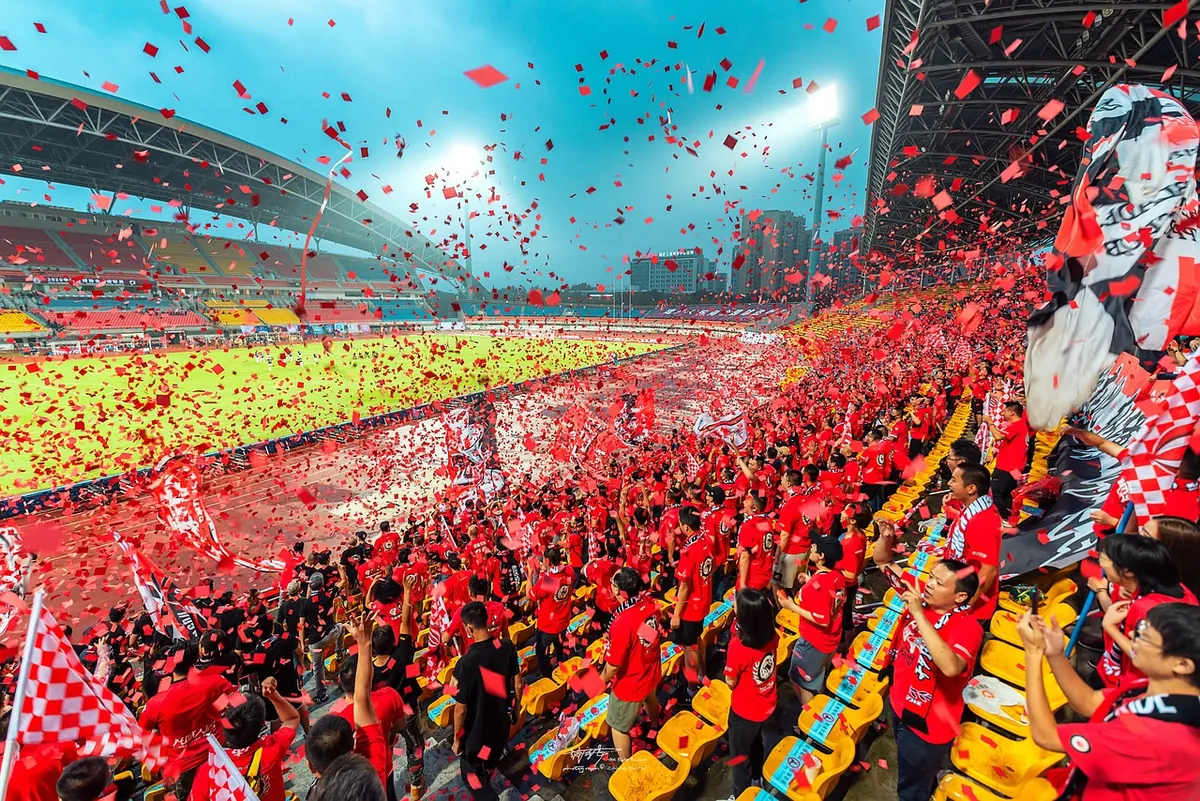
One practical note: Italian stadium culture includes organised ultras groups whose banners and chants shape the visual experience of a match. Some rivalries have a history of trouble around fixtures. If you ever attend in person, buy through official channels, arrive early, and follow local advice about away travel.
How to watch and follow from outside Italy
Television rights for Serie A are sold country by country and change every few seasons, so the correct first step is a search for the current broadcaster in your territory rather than a fixed recommendation. Beyond live coverage, a simple routine works well:
- Bookmark the official Serie A site for fixtures, tables and highlights.
- Follow two or three clubs on their own apps and social channels rather than trying to track all 20.
- Watch one full match per weekend instead of five highlight packages — you learn far more about how a team actually plays.
- Read one Italian-language match report a week, even slowly. Football writing is repetitive by nature, which makes it excellent language practice.
- Pick a mid-table club as a second team. Their seasons are unpredictable and rarely boring.
A few words that unlock Italian coverage
Giornata means matchday, so "la ventisettesima giornata" is the 27th round of fixtures. Scudetto is the league title, named after the small shield champions wear on their shirts. Classifica is the table, mercato is the transfer market, panchina is the bench (and, by extension, a coach's job security), and fuorigioco is offside. Tifosi means fans; trasferta means an away trip. That is enough vocabulary to read a match report without needing a translation.
Your first season, step by step
Start with a home match involving one of the big clubs, ideally in a city derby, and watch it properly rather than in clips. Then choose a club — the one whose style or city appeals, not necessarily the one winning — and follow them for a month: fixtures, table position, transfer news, one Italian-language report per week. By November you will recognise most starting lineups in the league. By spring you will have opinions about relegation battles you had no stake in, and that is roughly how Italian football gets people. Keep the official league calendar open, use the derby names as your shortcut into the coverage, and let the rest arrive with the season.
Photo: manchester1024 / Pixabay